
Driver onboarding
Structured profile, evidence, contract, and readiness flows that move drivers from invite to operational status.
Client project - Compliance software
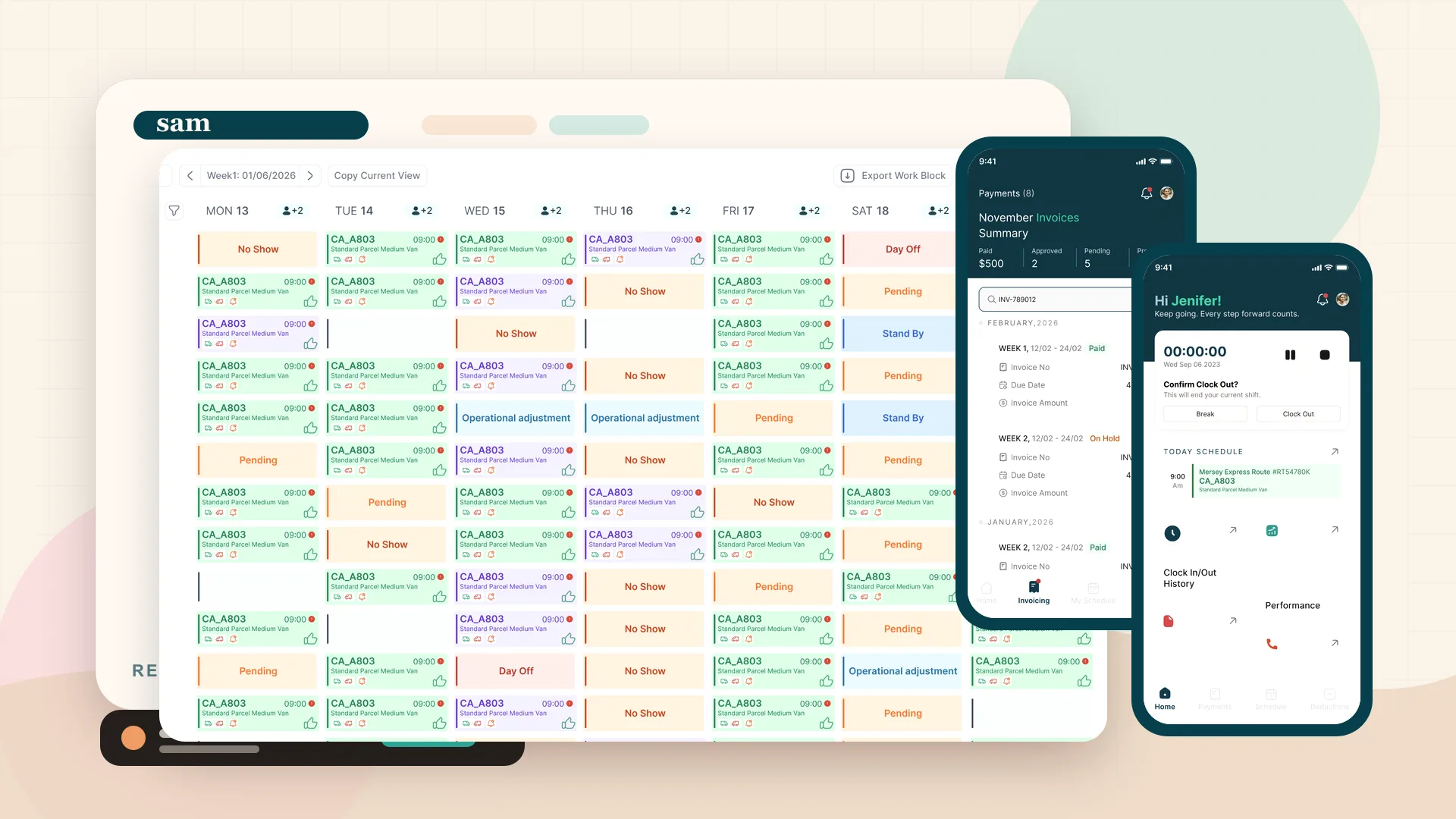
SAM needed a connected web and mobile compliance system for driver onboarding, evidence, documents, payments, scheduling, vehicles, incidents, and daily DSP operations.
System delivered
Instead of treating SAM as separate dashboard and app screens, the work connected the operational journey from manager setup to driver activity in the field.
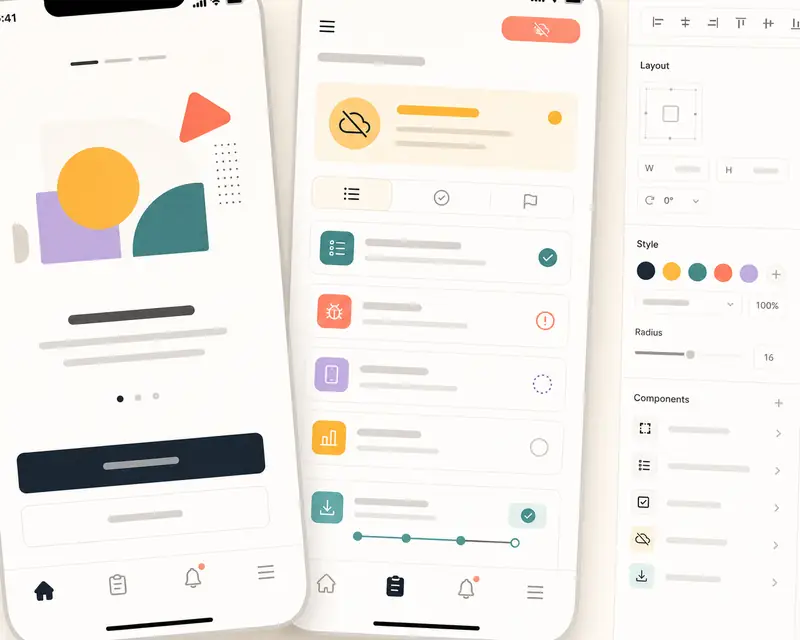
Structured profile, evidence, contract, and readiness flows that move drivers from invite to operational status.
Document capture, OCR-assisted checks, DVLA and right-to-work workflows, and management review states.
Depot-level planning, weekly schedules, route assignments, availability, no-shows, standby, and operational adjustments.
Field-ready app screens for clocking, schedule visibility, invoices, deductions, incident reporting, and communication.
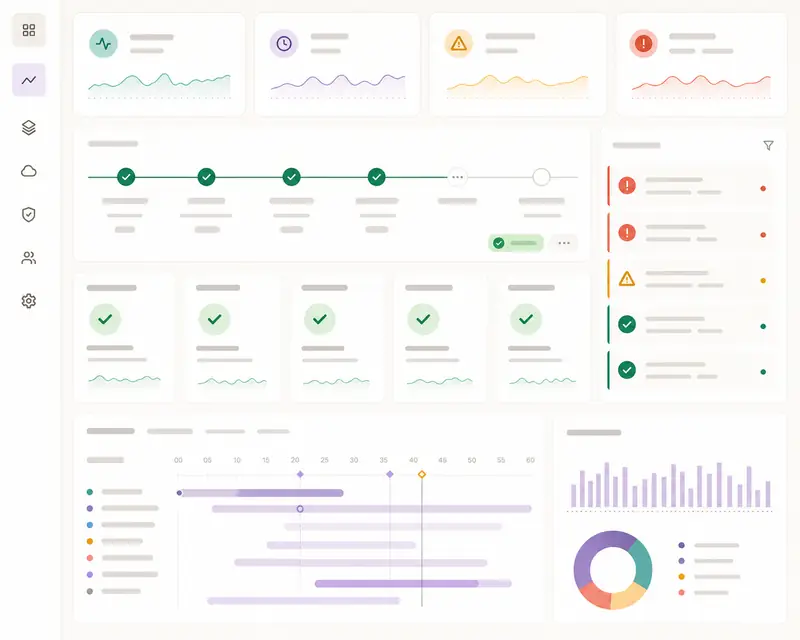
Management views for invoices, deductions, payments, documents, exceptions, and exportable operational records.
Driver-facing support journeys that keep help, updates, and wellbeing touchpoints inside the product loop.
The challenge
Driver compliance and DSP operations involve many moving parts: document collection, licence checks, right-to-work evidence, payroll inputs, deductions, vehicle records, scheduling, incidents, and communication. When those workflows are split across paper, spreadsheets, calls, and disconnected tools, managers lose visibility and drivers wait longer before they can start work.
The approach
The outcome
Capabilities involved
SAM needed product strategy, UX, platform engineering, mobile delivery, and cloud thinking to stay connected around one operational model.
Research, prioritisation, technical direction, and a roadmap grounded in customer and business evidence.
 Explore service
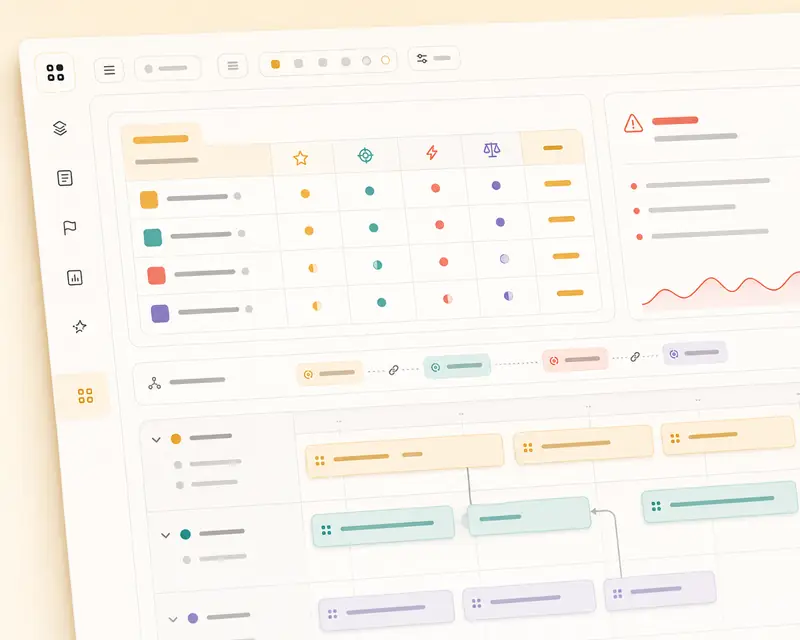
 Research-led UX, interactive prototypes, interface design, and scalable design systems for digital products.
 Explore service
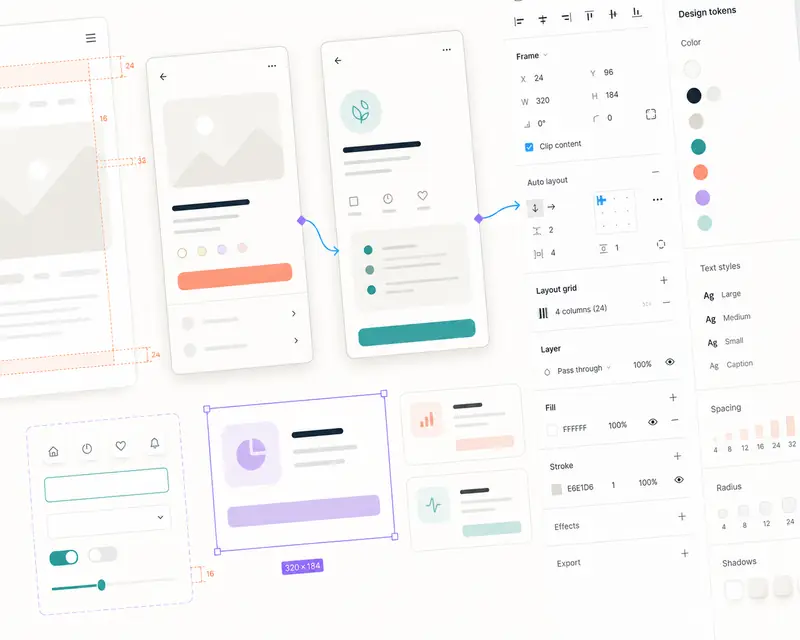
 Custom portals, SaaS products, dashboards, marketplaces, and operational systems built for long-term ownership.
 Explore service
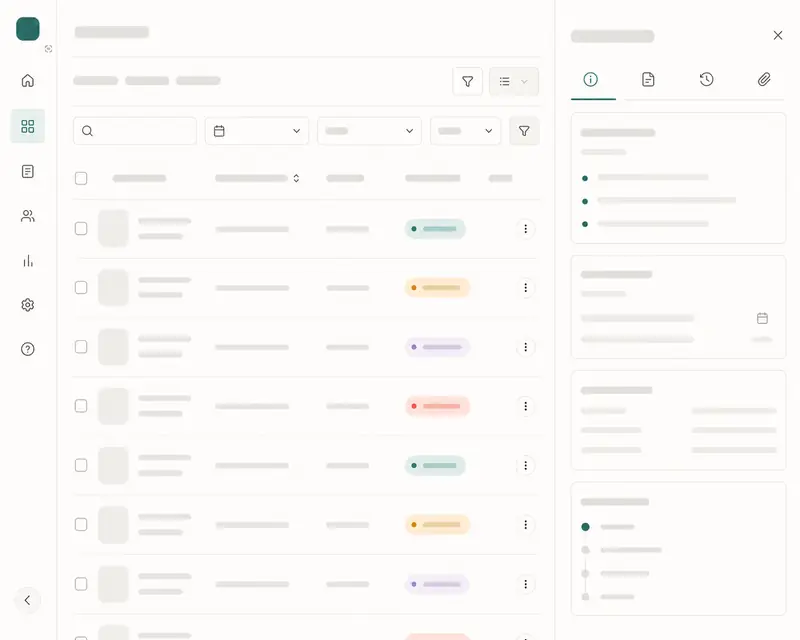
 Cross-platform and native mobile products designed around real device behaviour and operational constraints.
 Explore service
 Cloud architecture, deployment pipelines, observability, security, and reliability improvements without unnecessary platform theatre.
 Explore service
 Discuss your context
Tell us which users, workflows, evidence, and systems need to connect. We will help turn the operating reality into a product your team can actually run.
We will help you decide what to build first, what to avoid, and how to move from messy context to usable software.